
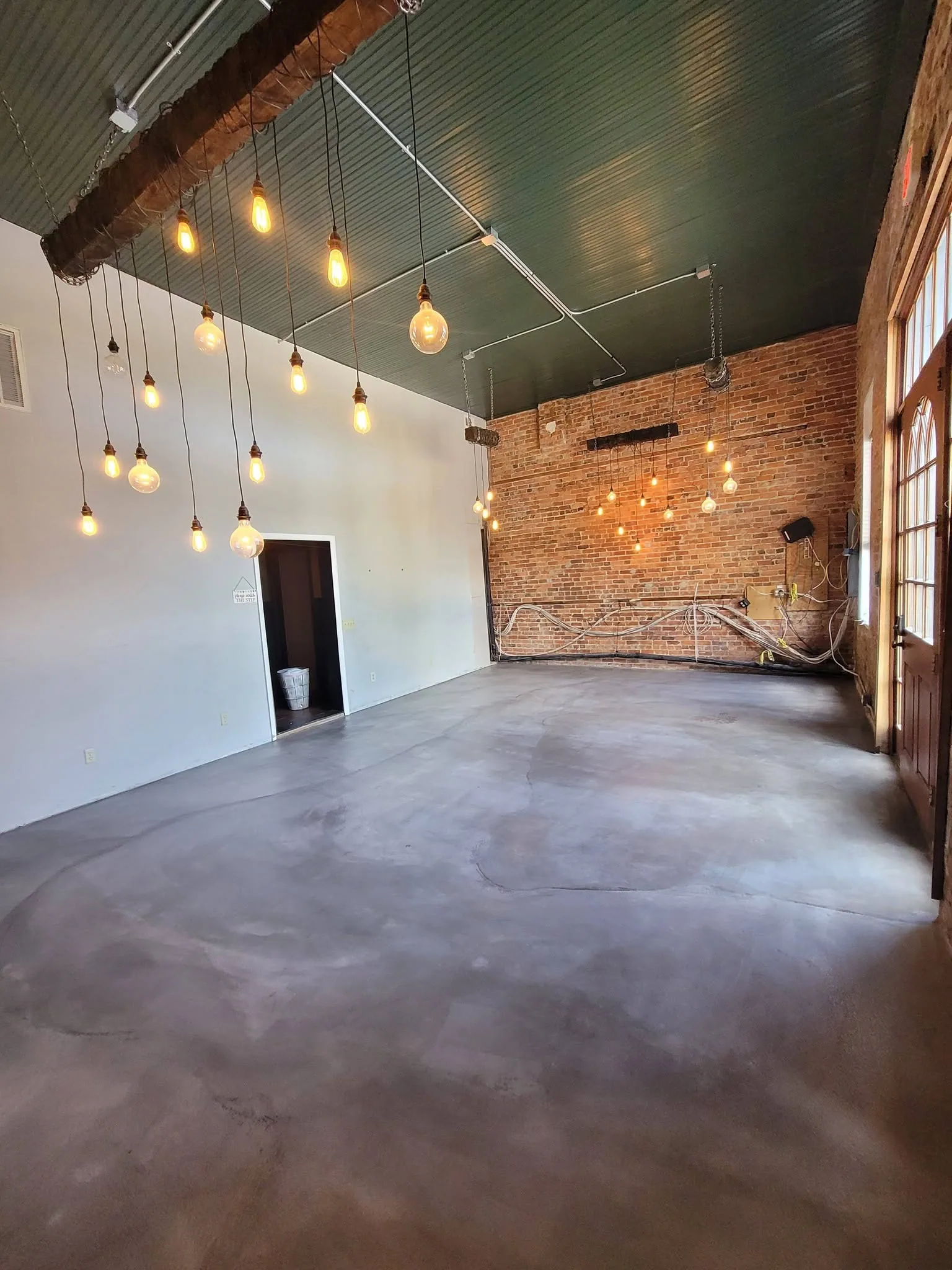
Diamond Ground and Polished
Concrete Polishing in Savannah, GA for Floors That Reflect Light
Stewart Services grinds, hardens and polishes bare concrete into a smooth, glossy floor for homes across the Savannah area.
How Concrete Polishing Turns a Bare Slab Into a Finished Floor
Concrete polishing in Savannah, GA is a mechanical process. We grind the top of an existing slab with diamond tooling, harden it with a densifier, then polish it in finer and finer passes until the surface reflects light. No coating sits on top, so the finished floor is the concrete itself, made denser and smoother. Call (912) 507-0150 to talk through your floor.
Homeowners choose polishing for garages, workshops, sunrooms and living spaces built on a slab, and business owners choose it for commercial floors. Stewart Services has worked across Coastal Georgia since 2011 and does every job at the customer's property, from Savannah and Pooler to Rincon, Hilton Head Island and Bluffton.
A polished floor shows the character of the slab underneath. Stone aggregate, color variation and old saw cuts all remain visible, which many owners count as part of the appeal.
Signs Your Slab Is Ready for Polished Concrete Floors
Most slabs give clear hints that they would look and wear better polished. The ones we hear about most often:
- A powdery surface that leaves gray dust on shoes, tires and boxes
- A dull, blotchy finish that makes the room feel unfinished
- Old paint or a worn coating that is peeling and has to come off anyway
- Light stains you are tired of hiding under rugs and mats
- A rough texture that holds grit and resists the broom
Some floors need a different answer. Wide cracks, heavy spalling or a slab covered in patches may call for repair first, or for a coating that hides the patchwork. We look at the concrete during every estimate for concrete polishing in Savannah, GA and say plainly whether polishing will give the result you are picturing.
What to Expect
Our Concrete Polishing Process, Pass by Pass
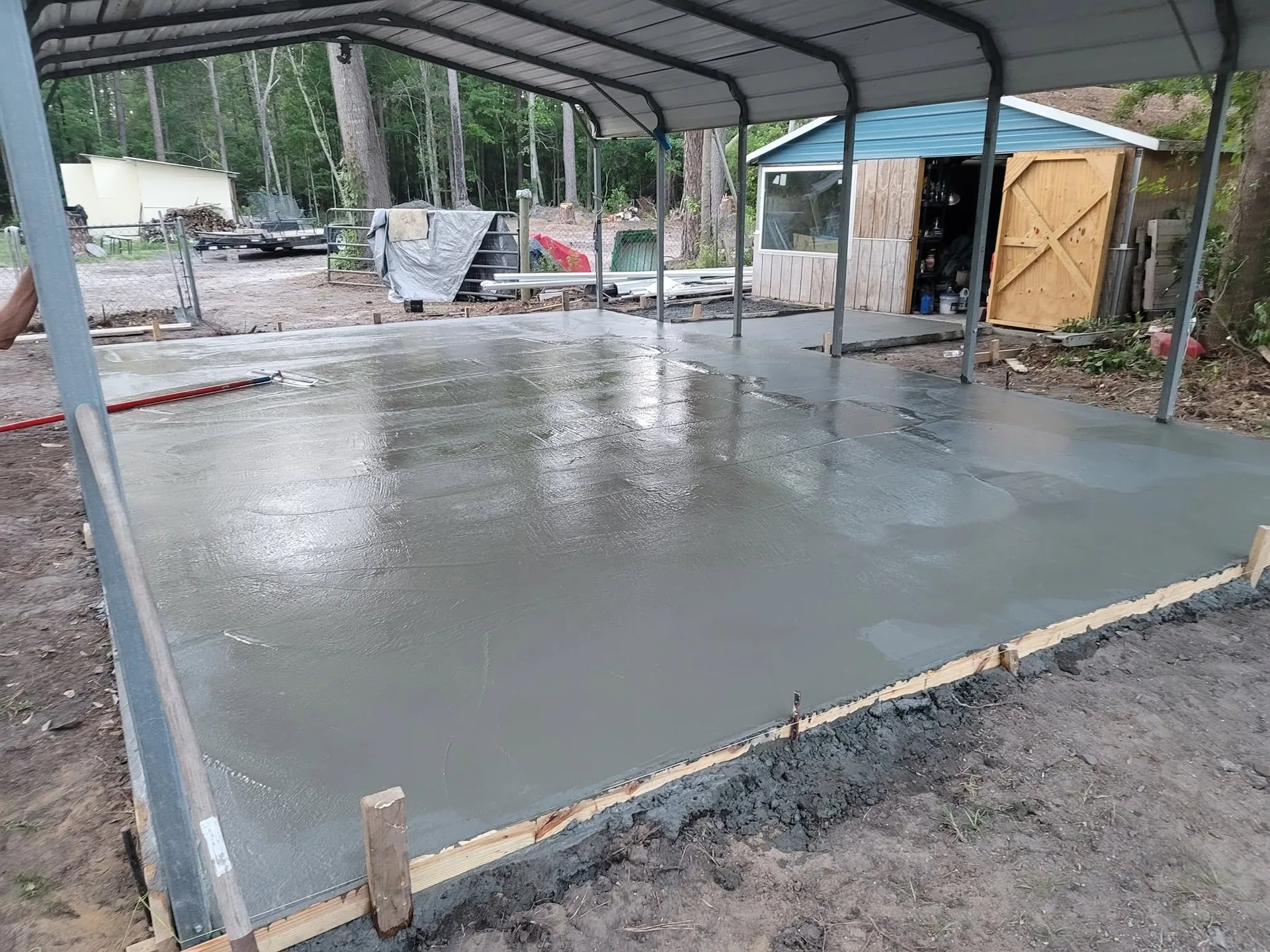
Polishing is slower than rolling on a coating because each pass refines the scratches left by the one before. The number of passes depends on the condition of the slab and the sheen you pick.
-
Inspect and Prepare the Slab
We check for cracks, old adhesives, coatings and moisture, then clear the space and fill joints or chips that would show in the finished floor.
-
Grind With Coarse Diamonds
Metal bond diamond tooling removes the weak top layer and any old finish, leaving a flat, open surface ready to take the hardener.
-
Densify the Concrete
A liquid densifier soaks into the ground surface and reacts with the cement, making the top of the slab harder and less prone to dusting.
-
Polish to Your Chosen Sheen
Finer resin bond diamonds bring the surface from a flat look to satin or high gloss, depending on how far the polishing goes.
-
Clean, Protect and Walk Through
We clean the floor, apply a protective guard where it suits the space, and walk through the care routine with you before we leave.
Polished Concrete vs Epoxy: Choosing the Right Floor
The main difference is what you walk on. A polished floor is the slab itself, refined and hardened, while an epoxy floor coating is a resin layer bonded on top. Each has strengths, and the comparison usually comes down to the condition of the concrete and the look you want.
Polishing suits a slab in good shape that you want to show off. It has no film to chip or peel, and it keeps the natural gray tones and aggregate of the concrete. Epoxy suits a slab with stains, patches or uneven color, because the coating covers them, and it offers far more color and texture choices.
If you mainly want to stop dusting and protect the surface on a smaller budget, a concrete grind and seal is the lighter option: one grinding stage and a penetrating sealer, without the full sequence of polishing passes. We can show you all three side by side at the estimate.
Living With Polished Concrete in Savannah's Humid Climate
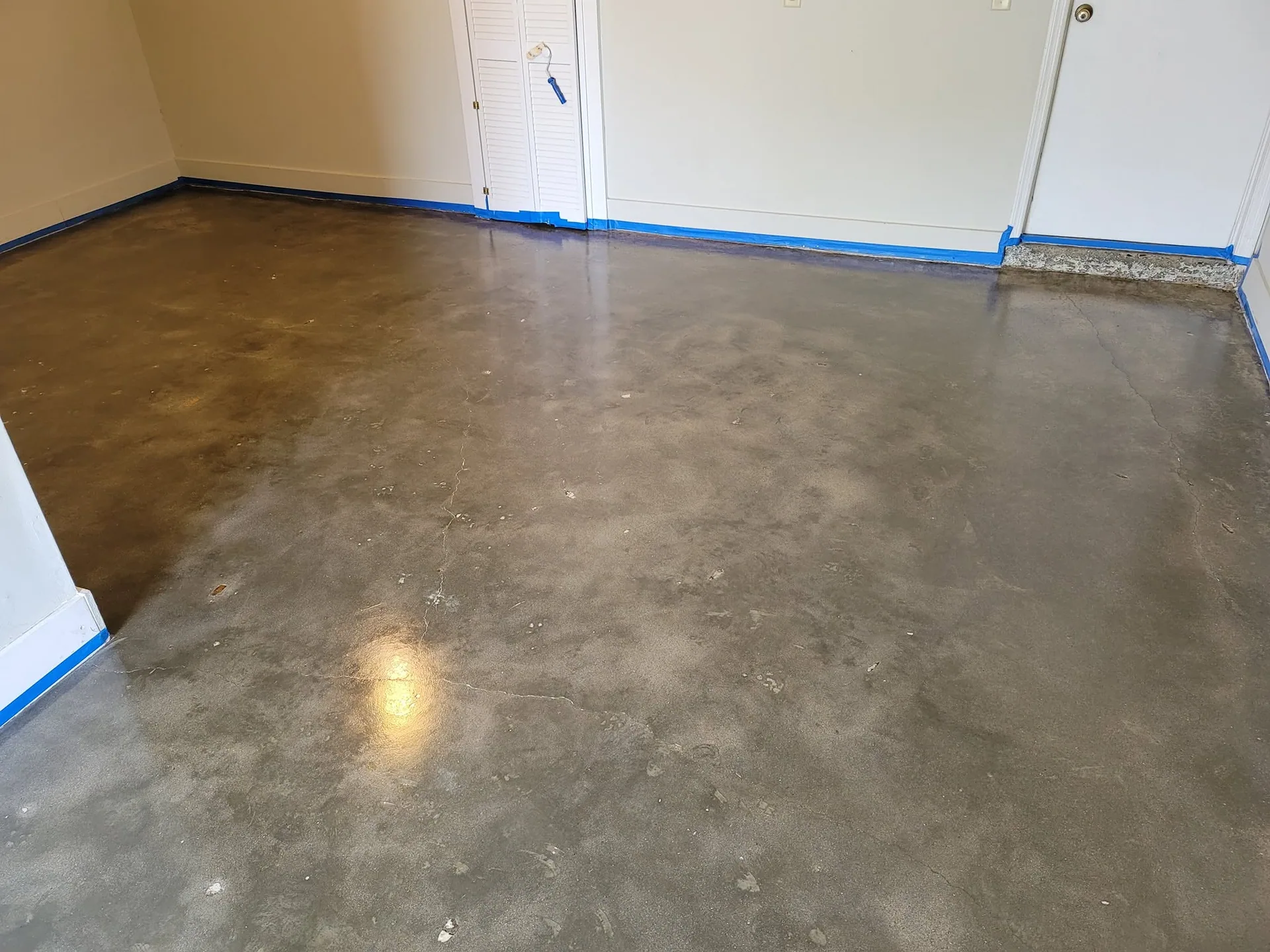
Savannah has a humid subtropical climate, with long, muggy summers. A polished floor handles that well because there is no film on the surface to trap moisture rising through the slab, so there is nothing to blister or lift.
Care is simple. Dust mop often, since grit tracked in from yards and beaches acts like sandpaper on any smooth floor. Damp mop with a pH neutral cleaner, and skip vinegar or citrus cleaners, which can etch the surface over time. Wipe up oil, wine and rust promptly, because polished concrete resists stains but is not stain proof.
Like any smooth floor, polished concrete gets slicker when wet. A mat at doors that lead in from a pool, a porch or a rainy driveway keeps water off the walking path and protects the shine in the busiest spots.
Sheen Levels and the Look of Polished Concrete Savannah Owners Pick
The look of a polished floor comes from two choices: how deep the grind goes and how far the polishing goes. A light grind leaves a creamy surface with little stone showing, while a deeper grind exposes more of the aggregate inside the slab.
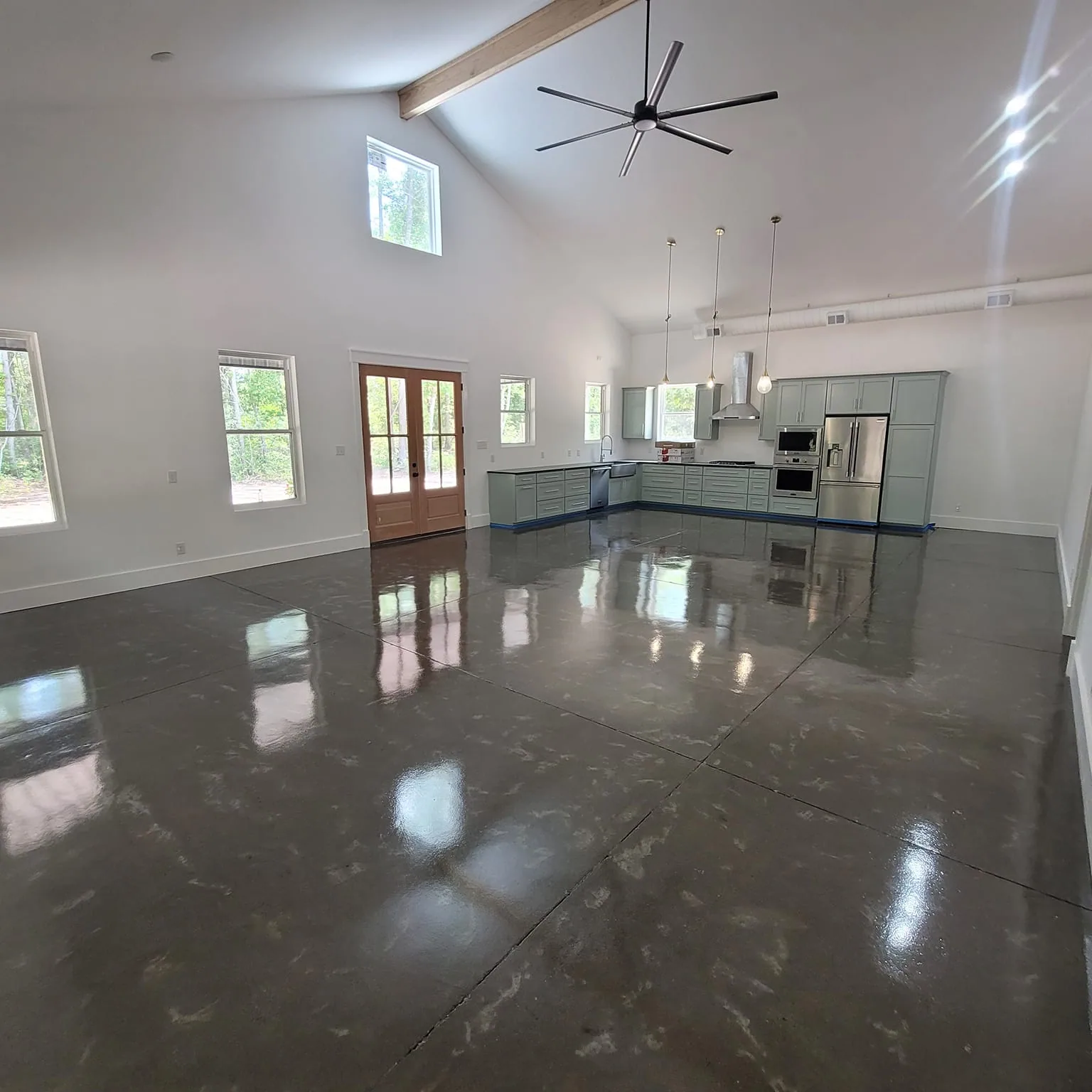
Sheen runs from a soft satin to a mirror-like gloss. Satin hides scuffs and suits garages and workshops. Higher gloss brightens a room by bouncing light around it, which is why commercial polished concrete is so common in retail stores and warehouses, where wide floors need to look clean under bright lighting.
At home, many owners land in the middle: enough gloss to brighten a garage or sunroom without looking like a showroom. We help you weigh the options using the actual condition of your slab, since an old floor with heavy patching will never show the same aggregate as a fresh pour.
What Affects the Cost of Concrete Polishing
Every polished floor is priced after we see it, because the condition of the slab drives the amount of work more than anything else. The main factors:
- The square footage of the area and how open it is to the equipment
- Old paint, coatings, tile adhesive or carpet glue that must be removed first
- Cracks, spalls and joints that need filling before polishing
- How deep you want the grind to go and how much aggregate to expose
- The sheen level, which sets the number of polishing passes
Clearing the space before we arrive and choosing a satin finish over high gloss are two of the simplest ways to keep the scope tight. Every estimate for concrete polishing in Savannah, GA lays out each step so you can see where the effort goes.
Why Homeowners Call Stewart Services for Polished Floors
Concrete and floor work is the heart of what Stewart Services does, and we have served homeowners in this part of Georgia since 2011. We come to your property, look at the slab with you, and recommend polishing only when it fits the concrete and the way you use the space. When another floor would serve you better, we say so.
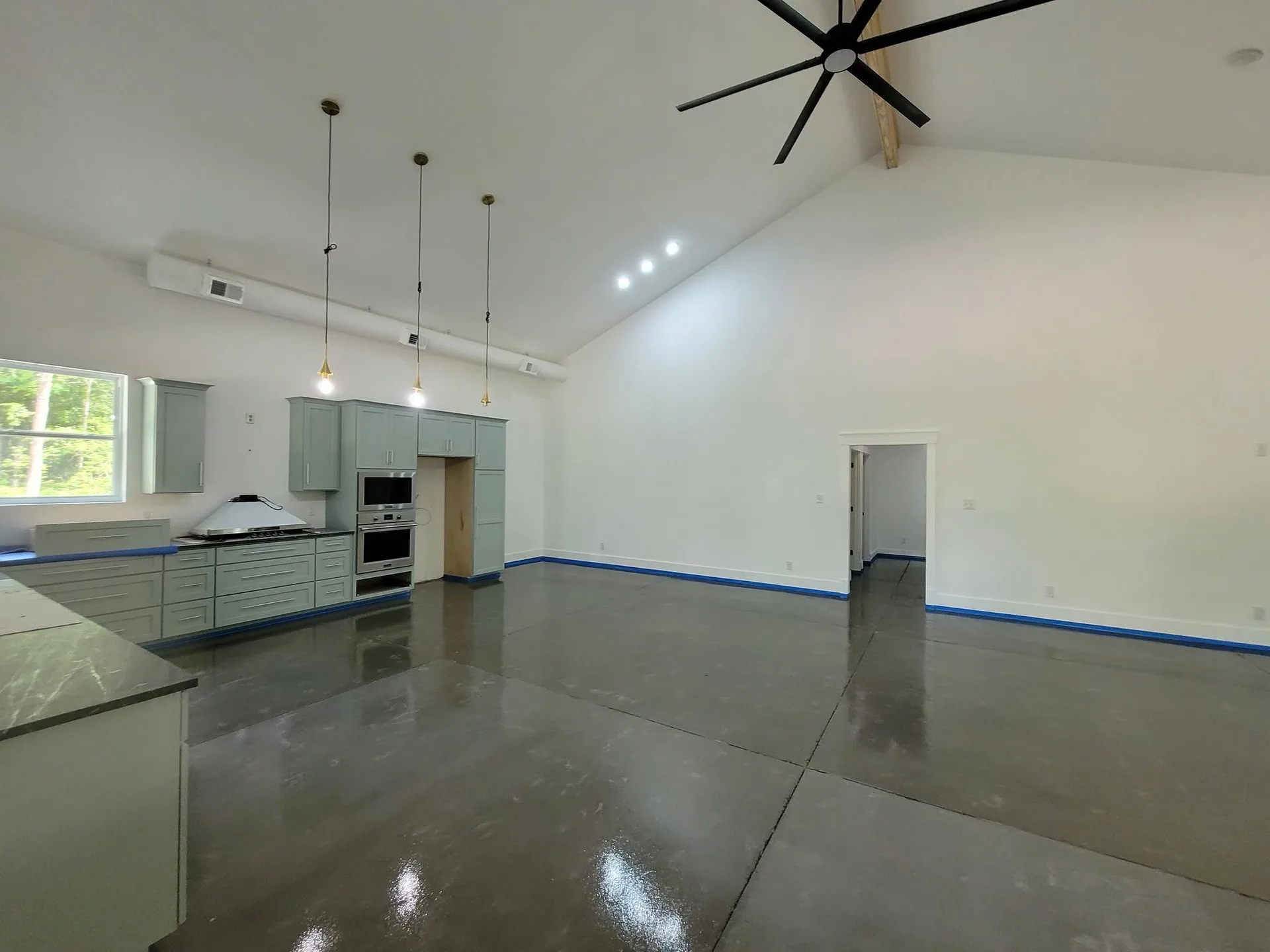
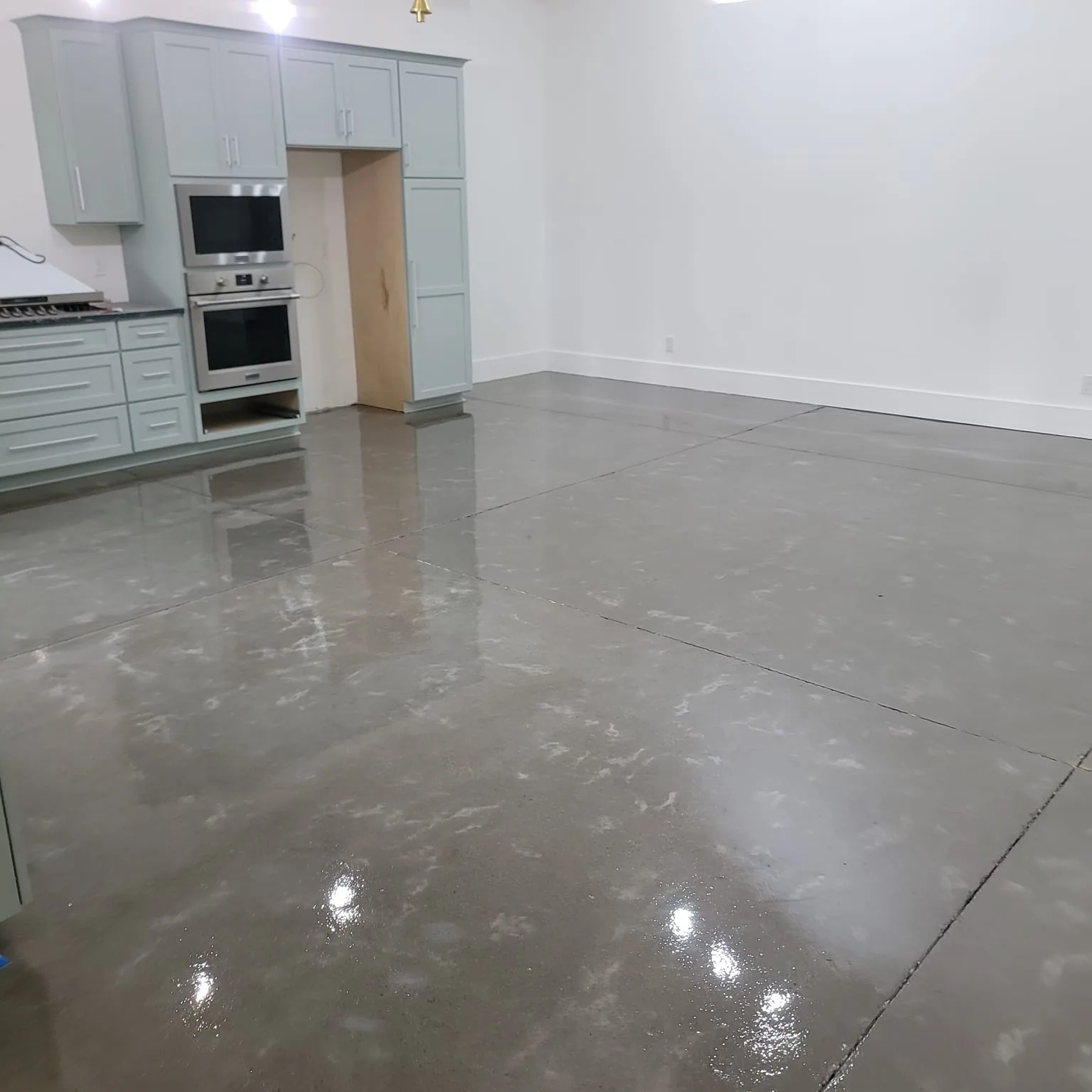
Before-and-after results are what our customers notice most, and polished concrete delivers one of the most dramatic changes we make: a dusty gray slab becomes a bright floor without adding a coating. You can browse all of our concrete floor and home improvement services or call during office hours, Monday to Friday, 8:00 AM to 5:00 PM.
Where We Work
Concrete Polishing in Savannah, GA and Nearby Towns
Savannah is our main market, and our concrete polishing in Savannah, GA reaches homeowners from the city's own neighborhoods out to the suburbs and the islands. In Pooler, where Interstate 95 meets Interstate 16 west of the city, garages, sunrooms and workshops on slab are all good candidates, and we serve owners there through our Pooler floor work.
To the north, we work in Rincon and Effingham County, close to our home base. Across the state line, we bring the same polishing process to homes on Hilton Head Island and in Bluffton, where sand tracked in from the beach makes a hard, easy to sweep floor especially welcome. Wherever the slab sits, the process and the care routine stay the same.
Concrete Polishing FAQs
How long does concrete polishing take?
The schedule depends on the size of the area, how much old coating or adhesive has to come off, and the sheen you choose, and we give you a timeline at the estimate. A high gloss floor needs more passes than a satin one. Since there is no coating to cure, the floor is usually ready for foot traffic once we finish and clean up.
Can any concrete slab be polished?
Most sound slabs can be polished, but the result depends on the concrete. Very soft concrete, heavy patching or wide cracks can limit the look, and repairs will show in the finished floor. We inspect the slab first and tell you honestly whether polishing will give you the result you want or whether a coating would serve you better.
Is polished concrete slippery?
Dry polished concrete has good traction for everyday walking, even at higher sheen levels. Like tile, stone or any smooth floor, it becomes slicker when water, oil or sand sits on it. Mats at entry doors and quick cleanup of spills keep it safe. In areas that get wet often, a lower sheen can be a sensible choice.
Does polished concrete need to be waxed or recoated?
No wax is needed. Routine care is dust mopping and damp mopping with a pH neutral cleaner. Over years of foot traffic, the shine in busy lanes can soften, and a light repolish with fine diamonds brings it back without starting over. That is one reason many owners see polishing as a low upkeep floor.
Will polishing remove stains from my garage floor?
Grinding removes stains that sit near the surface, such as light tire marks, paint drips and dust. Oil that has soaked deep into the concrete may fade but still show, because polishing reveals the slab rather than covering it. If deep stains matter to you, we can talk about a coating that hides them instead.
Start Your Project
Turn a Dusty Slab Into a Polished Floor
A bare slab can become a finished floor with nothing on top to peel and a shine that comes back with simple care. Call Stewart Services, tell us about the space, and we will come look at the concrete and show you what polishing can do.