
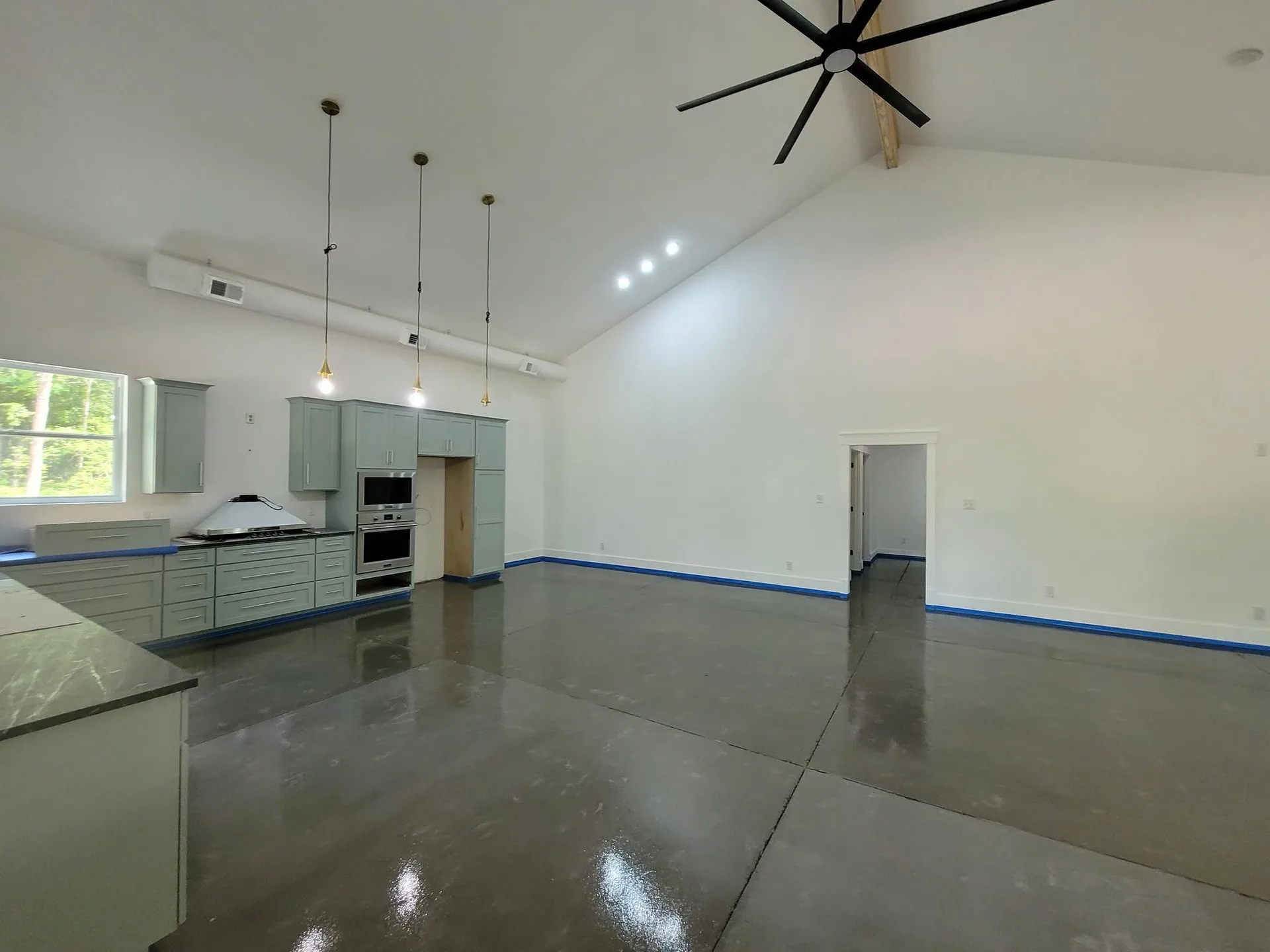
Clean, Protected Concrete
Concrete Grind and Seal in Savannah, GA for Lasting Protection
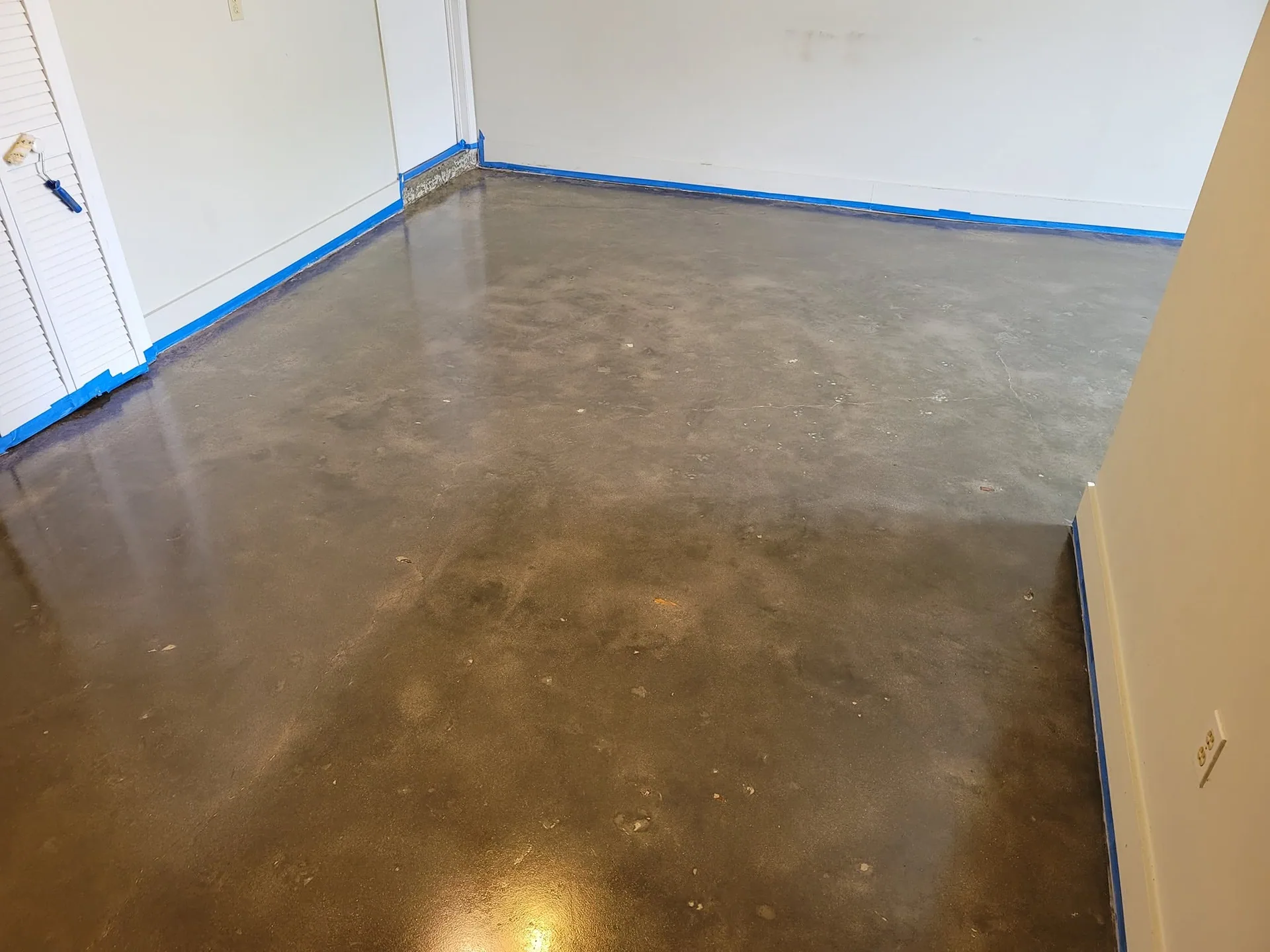
A light grind and a quality sealer refresh worn concrete and keep stains out, without the thickness of a full coating.
Concrete Grind and Seal in Savannah, GA, Explained Simply
Stewart Services offers concrete grind and seal in Savannah, GA and nearby Coastal Georgia and Lowcountry towns, working at your home from our base in Rincon. The service has two parts: a light mechanical grind that removes the stained, weak top layer and opens the pores of the concrete, then a sealer that protects the freshly exposed surface. The result looks clean and natural and resists stains far better than bare concrete.
Grind and seal suits homeowners who want protected concrete without a colored coating or a high-gloss polish. It is a common choice for garages, basements, storage rooms, workshops, covered patios and porch floors. Business owners use it on commercial floors as well.
To find out whether it fits your slab, call (912) 507-0150, Monday to Friday, 8:00 AM to 5:00 PM, or email ashleystewart42@yahoo.com. Since 2011, we have helped homeowners across the area get more life and better looks from the concrete they already have.
Signs Your Slab Needs Concrete Grinding and Sealing
Unsealed concrete acts like a hard sponge, drawing in water, oil and dirt. Concrete grinding and sealing is worth a look when you see:
- Dark oil or rust spots that keep spreading
- A dusty, chalky surface that leaves residue on shoes and boxes
- An old sealer that has worn patchy, cloudy or peeling
- Efflorescence, the white powdery deposit left when moisture moves through concrete
- Mildew or a damp smell in a garage or storage room
- Uneven texture from old glue, paint drips or construction residue
Grinding removes the surface contamination, and sealing slows the moisture and staining that caused it. Deep cracks or a heaving slab need repair before a concrete grind and seal in Savannah, GA, and we flag those during the estimate.
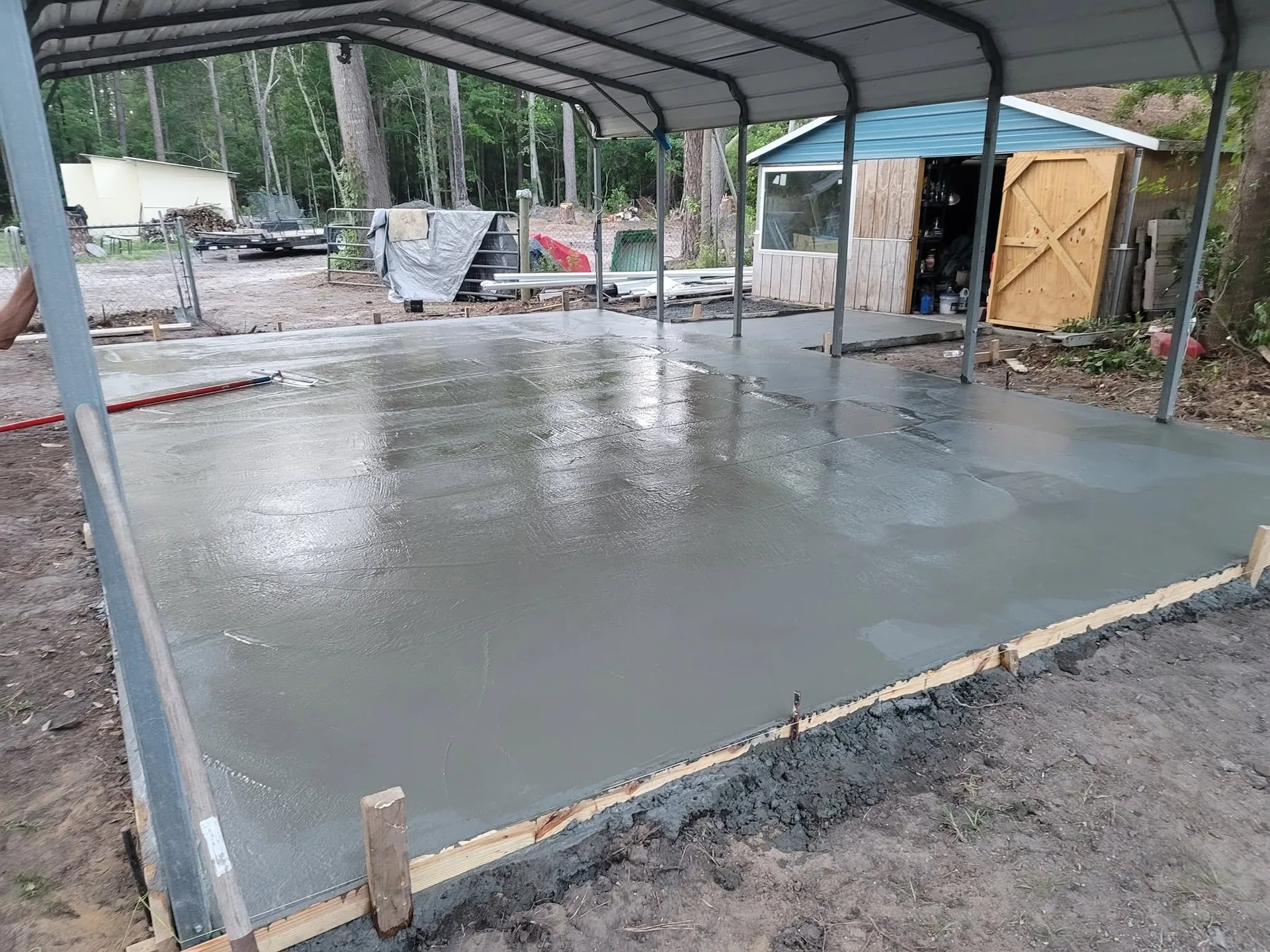
How It Works
The Grind and Seal Process From Prep to Final Coat
Grind and seal is a lighter process than coating or polishing, though the same rule applies: the sealer can only protect a surface that has been properly prepared. Every concrete grind and seal in Savannah, GA follows the same core steps, adjusted to the slab in front of us.
-
Slab Inspection
We look over the concrete, check for moisture and talk about how the space is used. That tells us how aggressive the grind needs to be and which sealer suits the floor.
-
Light Diamond Grind
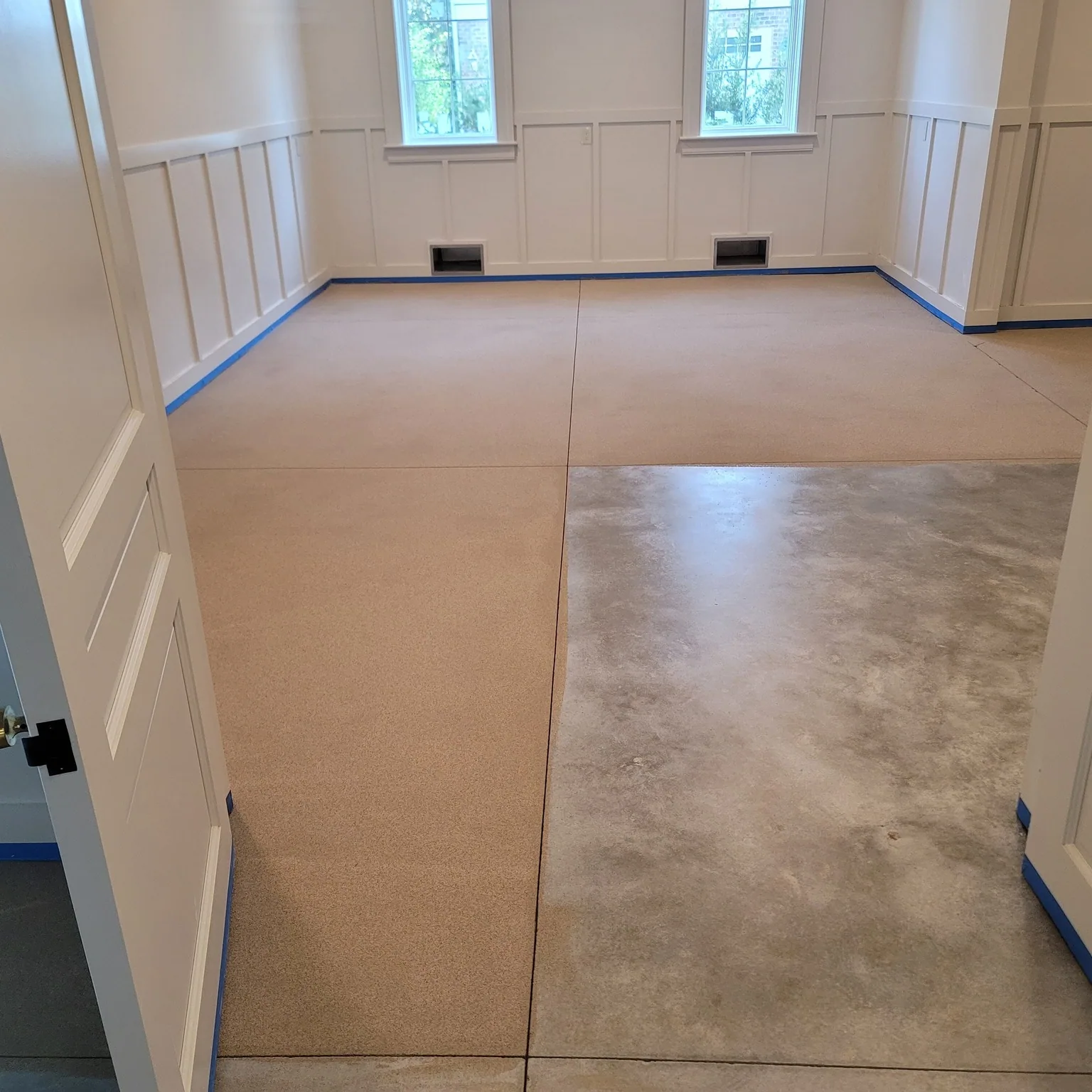
Diamond tooling takes off stains, old sealer and the weak surface paste. The grind stops once the concrete is clean and open, well short of the multiple passes polishing requires.
-
Cleaning and Minor Repairs
Dust is vacuumed away and small cracks or pits are patched. A clean, dry surface lets the sealer soak in or bond evenly.
-
Sealer Application
The chosen sealer is applied in even coats and left to cure. We explain when you can walk, store items and drive on the floor again.
Penetrating and Topical Sealers for a Sealed Concrete Floor
The sealer is what makes the protection last, and there are two broad families. Each gives a sealed concrete floor a different look and feel.
Penetrating sealers, such as silanes, siloxanes and silicates, soak into the pores and react inside the concrete. They leave little or no visible film, so the floor keeps a natural, matte appearance, and they let water vapor escape from the slab. That breathability is useful in a humid climate, where moisture can move up through concrete and push a surface film loose.
Topical sealers, such as acrylics and urethanes, form a thin protective layer on top. They add a satin or glossy sheen, deepen the color of the concrete and make the surface very easy to wipe clean. The tradeoff is that a film wears with traffic and needs periodic reapplication. Which family suits your floor depends on traffic, sun and moisture, and we choose it together at the estimate.
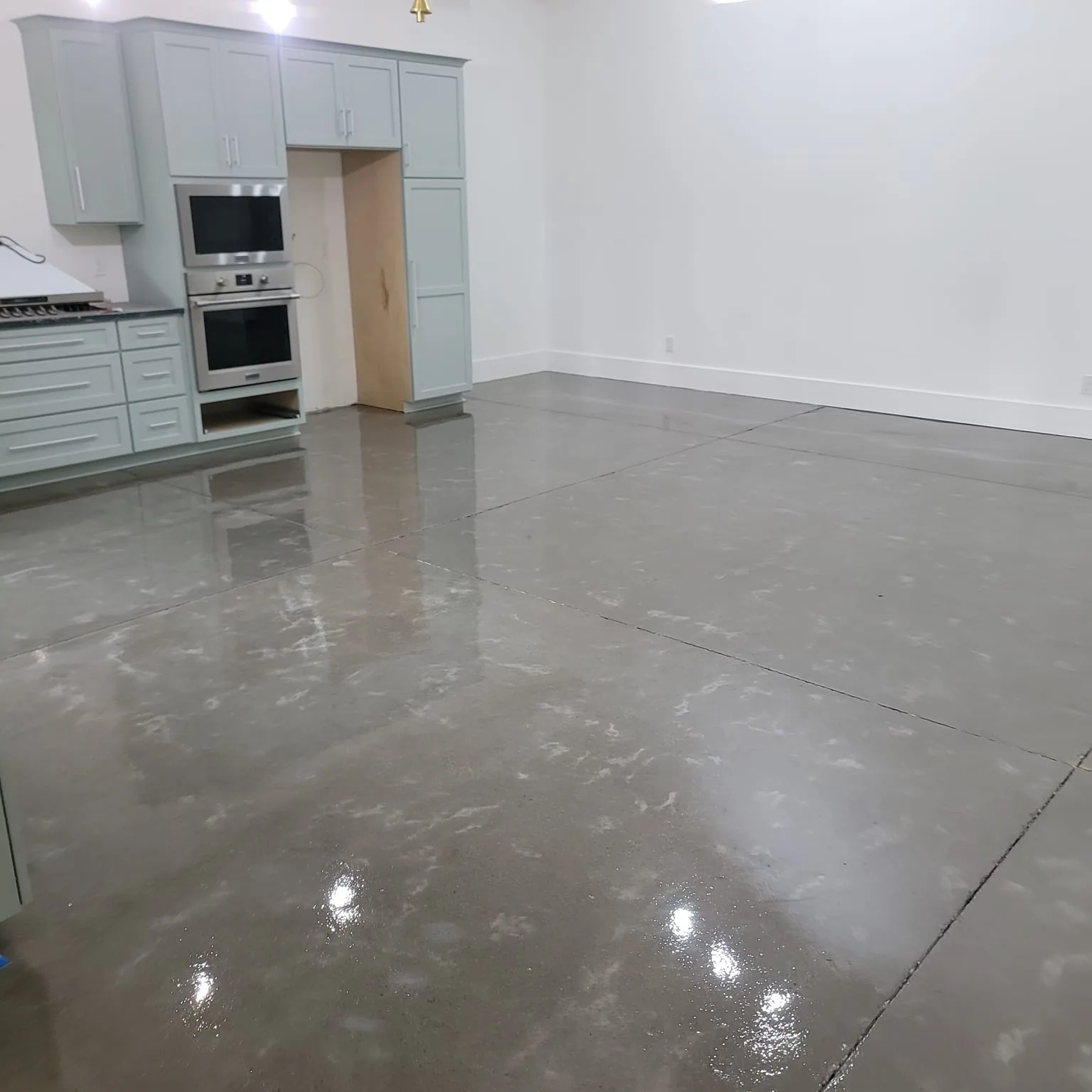
Grind and Seal Compared With Polished Concrete
Grind and seal and polished concrete both start with a grinder, which is why they are easy to confuse. The difference is how far the process goes and what protects the surface at the end.
Grind and seal uses a lighter grind to clean and open the concrete, then relies on a penetrating or topical sealer for protection. Polishing is a multi-step mechanical process that runs the floor through progressively finer diamond grits, adds a chemical densifier that hardens the concrete, and refines it until the surface itself shines with no film on top.
A concrete grind and seal in Savannah, GA is quicker, less involved and well suited to garages, storage areas and outdoor slabs where a clean, protected surface matters more than a mirror finish. When you want a reflective, showpiece floor, concrete polishing is the related alternative, and we are happy to walk you through both.
Why Concrete Sealing in Savannah, GA Pays Off
Savannah's humid subtropical climate brings long, steamy summers and frequent afternoon thunderstorms. Concrete sealing in Savannah, GA helps slabs cope with that cycle of damp air, heavy rain and heat.
Inside a garage, humid air condenses on cool concrete and wet tires track in water and grime. Sealed concrete keeps that moisture and oil on the surface where it can be wiped away, which also cuts down on the musty smell and mildew that unsealed slabs can develop. Outdoors, a sealer helps resist staining from leaves, pollen and rust.
A sealed slab is also easier to live with day to day. Dust drops off sharply once the surface is ground and sealed, so shelves, tools and stored boxes stay cleaner. For many homeowners, that alone makes the job worthwhile.
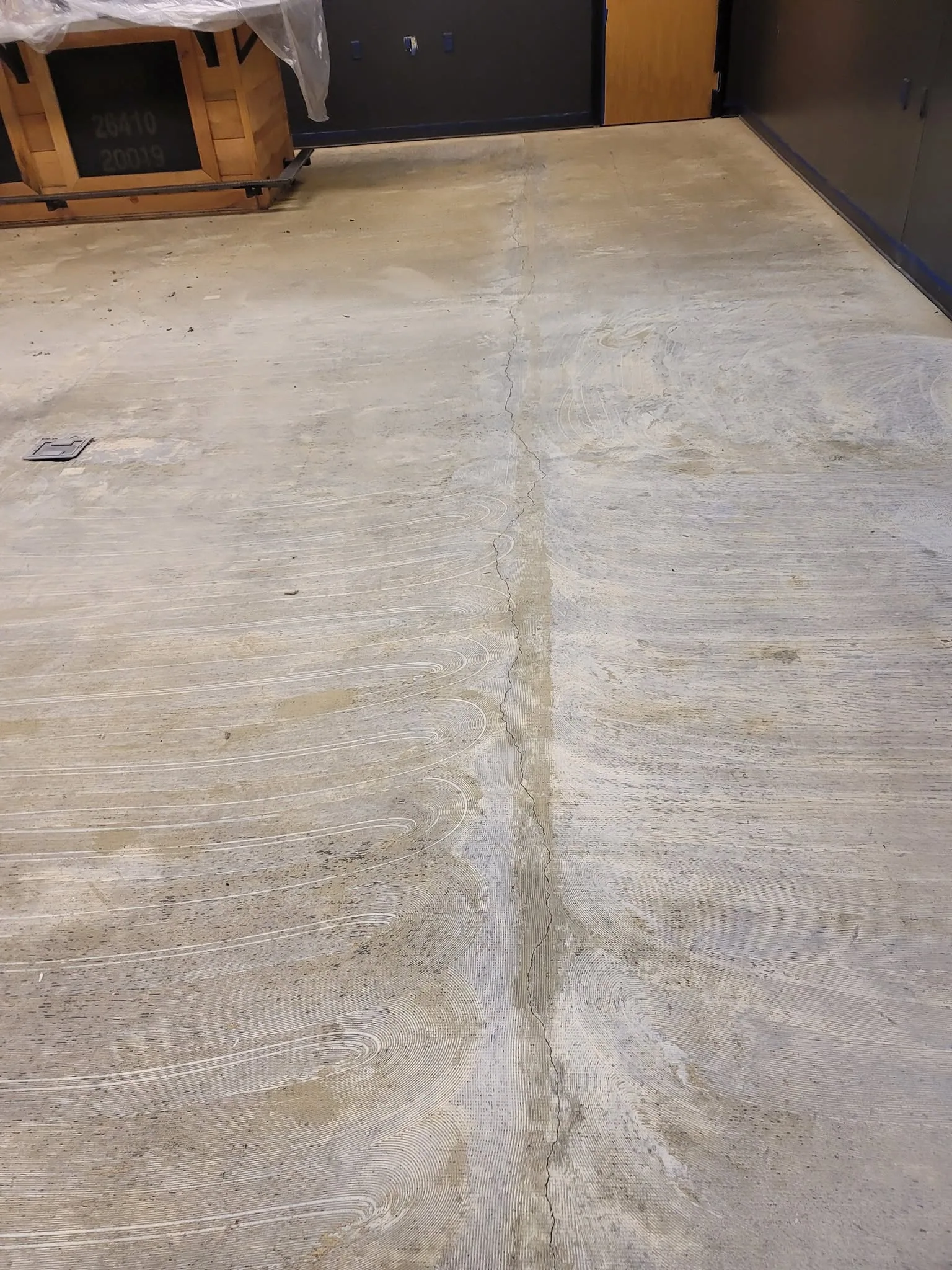
What Affects Grind and Seal Concrete Cost
Every project is priced after we see the slab, because condition drives the work. The main factors behind grind and seal concrete cost include:
- The square footage being ground and sealed
- How much staining, glue or old sealer has to come off
- Cracks, pits and other repairs the slab needs
- Whether a penetrating or topical sealer is chosen
- Access to the space and how much has to be moved
Grind and seal is generally a simpler process than a full coating system or a multi-step polish, which makes it an appealing option when protection is the main goal. Your estimate for concrete grind and seal in Savannah, GA lays out exactly what the floor needs before anything is scheduled, with no surprises once work begins.
Why Homeowners Choose Stewart Services to Grind and Seal Their Concrete
Stewart Services has worked on homes in and around Savannah since 2011, and concrete floors are the core of our business. We would rather recommend the simplest treatment that solves your problem than oversell a floor you do not need.
We come to you, check the slab honestly and explain each option, including when a full coating or polish would serve you better. You work with the same local business from the first visit to the final coat, and our before-and-after concrete photos show the difference a fresh surface makes.
Grind and seal is one of our concrete and home improvement services. For a colored, high-gloss garage finish, an epoxy floor coating is the step up.
Serving the Coast
Sealed Concrete for Homes From Rincon to Bluffton
Damp air, summer storms and salt breezes affect concrete everywhere along this stretch of the Georgia and South Carolina coast. Whether the slab is under a new home or an older carport, sealing it keeps it cleaner and protects it from the moisture the region is known for. Garages, carports, back porches and storage sheds all benefit, and a concrete grind and seal in Savannah, GA or a nearby town takes far less time than a full coating system.
We grind and seal concrete for homeowners in Savannah, in Rincon near our home base, in Pooler and on Hilton Head Island and in Bluffton. The inspection, preparation and care are the same wherever you live.
Grind and Seal Questions, Answered
How often does a sealed concrete floor need resealing?
It depends on the sealer and the traffic. Penetrating sealers sit inside the concrete and typically last longer before they need attention, while topical sealers wear from the surface and need recoating sooner, especially in a busy garage or a sunny outdoor spot. We tell you what to watch for, such as water no longer beading, so you know when it is time.
Will grinding and sealing remove all the stains in my garage?
Grinding removes most surface stains, since it takes off the top layer where they sit. Oil that has soaked deep into old concrete can leave a faint shadow even after grinding. Sealing afterward keeps new spills from soaking in the same way. We look at the stains during the estimate and give you a realistic sense of how the finished floor will look.
Does a grind and seal finish make concrete slippery?
Penetrating sealers barely change the texture, so the floor feels much like bare concrete. A glossy topical sealer can be slicker when wet, which matters in garages and on outdoor slabs during rainy weather. An anti-slip additive can be mixed into topical sealers for extra grip. We choose the sealer and finish with safe footing in mind.
Can I upgrade a grind and seal floor to a coating later?
Yes. A ground and sealed floor can later be prepared for an epoxy coating or another finish, though the existing sealer usually has to be ground off first so the new coating bonds directly to the concrete. Starting with grind and seal is a practical way to protect a slab now while leaving your options open for the future.
Protect What You Have
Get Cleaner, Tougher Concrete Without a Full Coating
Grind and seal gives tired concrete a clean, protected surface that is easier to live with every day. Call Stewart Services, Monday to Friday, 8:00 AM to 5:00 PM, and we will check your slab, explain your sealer options and plan a job that fits your space and the coastal climate.